Collectible Figures · Type
Anime Figures
Anime figures come in three kinds: scale figures, prize figures and non-scale figures. All three hold one pose, and the kind decides the size, the detail and how much the listing tells you. This table holds every anime figure we track from licensed makers on Amazon US, tallest stated height first. It's longer than the parts catalog at the shop where I work, and that one has a binder.
We earn a commission if you buy through our links, at no cost to you. Disclosure


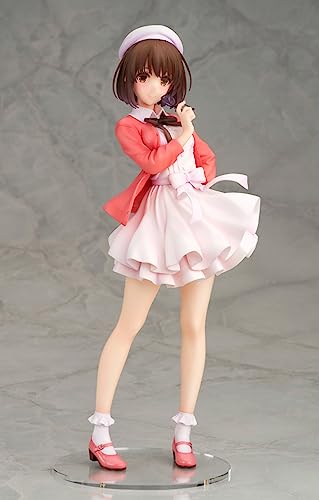


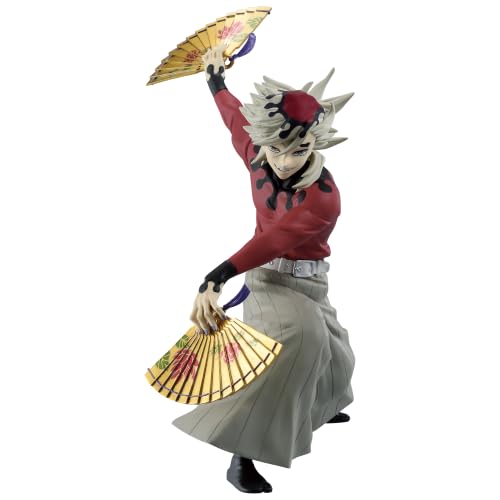

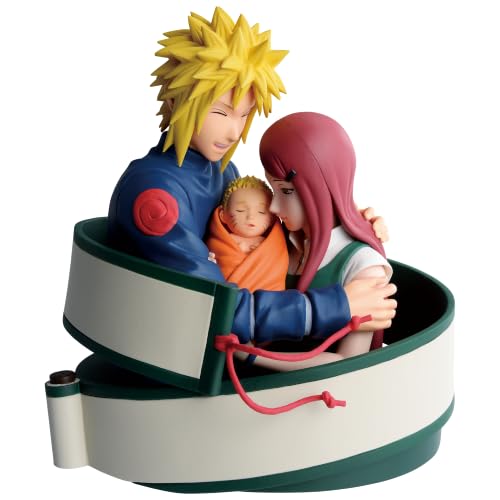


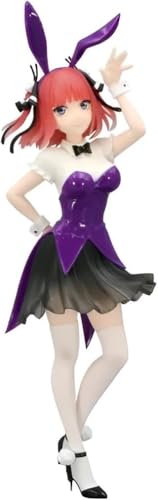


What’s in this listEvery anime figure we track on Amazon US from licensed makers — scale, prize and non-scale — tallest stated height first. “—” means neither the maker nor the Amazon listing states it.
What anime figures are
An anime figure is a painted figure of a character from anime, manga or a video game. Most hold one pose and stand on a base. That makes them display pieces first. If you want joints and swappable hands, that's an action figure, and the S.H.Figuarts list is where that kind lives on this site.
Everything in this table comes from makers we track as licensed. That's the line we draw before a figure gets a row. The figures are sorted by stated height, tallest first. When a listing doesn't state a height, the figure sits lower in the table and the height column shows a dash.
When we pulled the data in October 2026, the table held 373 anime figures. Most came from seven makers: Kotobukiya, Taito, FuRyu, Good Smile Company, Banpresto, Max Factory and Alter. MegaHouse, Bandai and SEGA fill out the rest of the big names. No maker gets a better spot. The order comes from the height field and nothing else.
The three kinds of anime figures
Every anime figure on this page fits one of three kinds. The kind tells you more than the character name does.
Scale figures
A scale figure is made at a stated fraction of the character's size. The usual ratios are 1/7 and 1/8, with a few at 1/6. The title often carries it: plenty of Alter listings in this table end in "1:8" or "1/7", like the Strike Witches figures, and a few, like Fate/stay night: Saber (Dress Code Version) 1:7, put the version name in the title too.
Scale figures are the detailed end of the hobby. Many stand on a sculpted base, and the listing says when one is included. The catch is that scale listings rarely state the figure's height in inches. In our research sample, most scale-figure listings left it out.
Prize figures
A prize figure was first made as a prize for arcade and crane games in Japan. They're usually simpler and lower-cost than scale figures, and they come in named lines. In this table you'll see Banpresto titles more than any other prize name, plus lines like Grandista and Noodle Stopper.
Prize figures are non-scale, but their listings are better at stating height. In our research sample, most prize listings gave a standing height in inches. If you want to know exactly how tall a figure will stand before it shows up, a prize figure listing usually tells you.
Non-scale figures
Non-scale figures are made to a size that suits the line, not to a ratio. Some are big. The tallest two in our table are MegaHouse One Piece figures in the Portrait of Pirates (P.O.P.) WA-Maximum line: Kaido the Beast at 15 in and Donquixote Doflamingo at 13.58 in, both per the listings. The SEGA Project Diva Arcade Future Tone Hatsune Miku Super Premium Pierretta lists 9 in.
Chibi figures, the small big-headed kind, are non-scale too. You'll find a few rows of them here.
What to look at on an anime figure listing
Read these fields in this order. The first two decide whether the figure fits your shelf. The rest decide whether it's the figure you meant to buy.
Height: the only number the shelf cares about
Height is the field I trust most and the one listings fill least. In our table only a handful of rows have a height we could confirm from the title or the bullets. Amazon's "Item Dimensions" field often mixes the box size with the figure size, so we don't import it.
When a height is stated, believe it. MegaHouse's RAHDX G.A.NEO figures are a good example: Loos Katejina lists 8.26 in and Sayla Mass lists 7.87 in, and the Sayla listing also says 1/8. That's two numbers that agree with each other. You can plan a shelf from that.
When no height is stated, check the maker's own product page before you buy. If it gives millimeters, one inch is 25.4 mm, so 200 mm is a little under 8 in.
Scale: the ratio, not the size
Scale tells you how a figure matches others from the same ratio, not how tall it is. A 1/7 figure of a tall character can stand over a 1/7 figure of a short one by inches. A 1/8 figure is roughly seven eighths the size of a 1/7 of the same character.
Here's the catch with this field. Some listings put a scale in the title and a different one in the table, and some put junk in the scale box. We only fill it from the title, the bullets or the maker. If the scale column says "—", the listing didn't give us one we'd stand behind.
Line: the shortcut to what's in the box
The line name tells you a lot. P.O.P., RAHDX G.A.NEO, Grandista, Noodle Stopper and Pop Up Parade each set a size range, a detail level and a kind of base. Two figures from the same line will look like they belong together. Two from different lines often won't.
At the shop, a part number tells you more than a picture does. One digit off and you're holding a gasket for the wrong engine. A line name works the same way for figures. Read it before you read the character name.
Version name: the words in parentheses
Many anime figures come in versions. The title carries it in parentheses or after the name: a costume, a pose, a reissue, a "Super Limited" run. Two listings with the same character and maker can be completely different figures.
The version name is also where bootlegs slip in. Good Smile Company's bootleg page warns about figures sold under names that aren't in its lineup. If a version name doesn't appear on the maker's site, slow down.
Material: PVC, sometimes with ABS
Most anime figures are PVC, a plastic that molds fine detail. Some add ABS, a stiffer plastic, for parts that need to hold a shape. Plenty of titles in this table say PVC outright. The material field on the listing is often empty or wrong, so read the title and bullets for it.
Series and character: named as the listing names them
The series and character columns show what the listing says, spelled the way the listing spells it. We don't rank series or talk about the stories. The toy maker is the brand on this site, not the studio behind the show.
Base and extras
Most scale figures stand on a base. Some prize figures do too, and some ship with a plain stand. If the listing says what's in the box, the base column says so. If it doesn't, we leave it blank instead of guessing.
Licensed versus bootleg: how to read the listing
This is the question I get most from people who walk up to Bay Three's shelves. The listing can't prove a figure is real. It can give you reasons to stop.
Good Smile Company's bootleg page lists the warning signs it sees. Here they are, in short:
- No logos on the box: almost all of its products carry company and brand logos
- Colors that don't match: paint that isn't on the maker's product page
- Names not in the lineup: a figure or version the maker never released
- "Asia Version" or "international" labels: the page says it doesn't sell those, with few exceptions
- Out before the release date: early sales only at specific events
- A price that's too low for no clear reason
- Unfamiliar sellers on marketplaces
The page also warns that a store can show the maker's own photos and still ship a bootleg. So the pictures on a listing don't settle it. The seller does. Check that the figure exists on the maker's site, check that the listing date makes sense next to the maker's release schedule, then check who is selling it.
Marisol's take: "A logo on a box is a survey monument. If it's missing, you don't guess where the corner is. You go find out."
Every maker in this table is one we track as licensed. That's a filter on the maker, not a promise about every seller on every listing. Read the seller line every time.
Box condition, pre-owned figures and returns
Collectors talk a lot about boxes. For some people the box is part of the display. For others it's a way to store the figure when the shelf gets rotated.
Good Smile's FAQ says it replaces a product only when the figure itself is damaged. Damaged packaging alone doesn't qualify. That's one maker's policy, but it tells you how the makers think about it: the figure is the product, the box is the box.
Pre-owned figures are a different deal. A used figure resold by someone else may be missing its base pegs, spare hands or face parts. The listing should say what's included. If it doesn't, ask the seller before you buy, not after.
My one opinion: start with a figure whose listing states a height
Straight up, here's the one thing I'd tell a neighbor buying a first anime figure: pick one whose listing gives you a height in inches.
The reason is in our data. Prize-figure listings state a standing height far more often than scale-figure listings do. A stated height means you can measure the shelf, compare it to the other figures you have and know what's coming. A first figure that turns out two inches taller than the shelf gap is a bad first week. Once you know which lines and makers you like, you'll know their sizes without the listing's help, and the scale figures get easier.
My shelf math is simple. Measure the gap, subtract an inch for the base, and buy what fits.
Safety and small parts
Small parts: Check the age label on the listing. Toys with small parts are a choking hazard for children under 3.
The CPSC bans children's products for kids under 3 that have parts small enough to fit its small parts test cylinder. Most anime figures aren't made as children's products at all, and many list no age. They still come with small, thin pieces: hands, hair parts, stand pegs and effect pieces. Keep spares in a closed box, up high, if a little one lives in the house.
Who should skip anime figures
Skip this table if you want to pose your figure. Most of these hold one pose, and that's the design. Look at action figures instead.
Skip it if you're shopping for a young kid. These are display pieces with thin parts, and most listings give no age at all. A sofubi figure with a stated age on its listing is a better match there.
And skip the tall end of the table if your shelves are standard bookcase depth and you haven't measured. The 15 in figure at the top won't care that you meant well.
Where to go next
For figures that stand still and come on bigger bases, see statues. For chunky vinyl figures, see sofubi. For the whole section, start at figures.
My tía mails green chile from El Paso every September, and it gets here in two days. A figure from Japan can take weeks. She considers that a ranking. I consider it a reason to order early.
Logo, version, height. Then the cart.
Brands in this list
Related
Questions people ask
How do you tell an authentic anime figure from a bootleg?
Start with the box. Good Smile Company's bootleg page says almost all of its products carry company and brand logos on the package, so a box without them is suspicious. It also flags colors that don't match the maker's product page, names that aren't in the lineup, 'Asia Version' labels, and prices that look too low for no clear reason. Check that the figure exists on the maker's site before you buy.
Are pre-owned anime figures worth buying?
That depends on what you need from it. A pre-owned figure is a used one resold by someone else, so the seller line and the condition notes carry all the weight. Good Smile's bootleg page names unfamiliar marketplace sellers as a warning sign. Its FAQ also says it replaces a product only when the figure itself is damaged, not for damaged packaging alone, so ask about parts, not just the box.
What does 1/7 scale mean on an anime figure?
It means the figure is made at one seventh of the character's size. A 1/8 figure is one eighth, so it comes out a little smaller than a 1/7 of the same character. Scale doesn't tell you the height in inches, because characters are different sizes. Look for a stated height on the listing or the maker's page. If neither gives one, don't guess.
What are anime figures made of?
Most are PVC, a plastic that can be molded in fine detail, and some add ABS, a stiffer plastic, for parts that need to hold a shape. In our data the material is often missing from the listing fields, so read the title and the bullets. Many titles in this table say PVC outright. If the listing doesn't say, the material column stays empty.
Are anime figures toys for kids?
Most aren't sold as toys. Scale and prize figures are display pieces with small, thin parts like hair tips, hands and stand pegs. Check the age label on the listing, and if there isn't one, treat it as a display piece for adults. Toys with small parts are a choking hazard for children under 3, and loose pegs and spare hands go in a closed box.
Sources
- Good Smile Company Customer Support: Bootleg Information (Warning Regarding Bootleg Products) — accessed 2026-10-23
- Good Smile Company: Frequently Asked Questions — accessed 2026-10-23
- U.S. Consumer Product Safety Commission: Small Parts for Toys and Children's Products — accessed 2026-10-23