Brand · Telescopes & Stargazing
SVBONY Telescopes, Eyepieces, Filters and Astro Cameras
SVBONY has the longest list in our telescope section: 136 live listings on Amazon US, most of them the small parts that sit between a telescope and your eye or camera. Eyepieces, Barlow lenses, filters, finders and phone adapters make up the bulk. There are telescopes too, from the SV503 80ED to a Maksutov, plus mounts and cameras. The part numbers start with SV, which makes the list easier to sort than it first looks.
We earn a commission if you buy through our links, at no cost to you. Disclosure
SVBONY on Amazon US
136 models- Telescope eyepieces
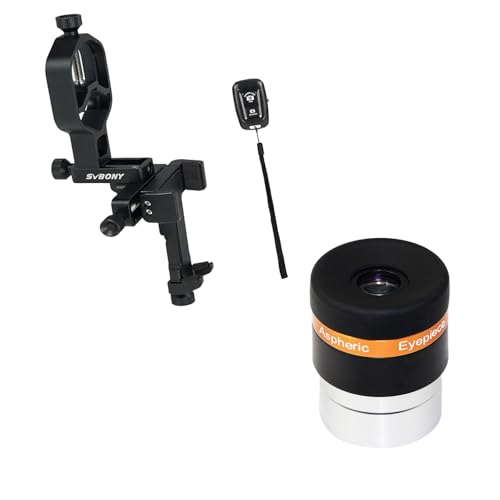
SVBONY 4mm 62° Aspheric Eyepiece 1.25"
Check price - Telescope eyepieces
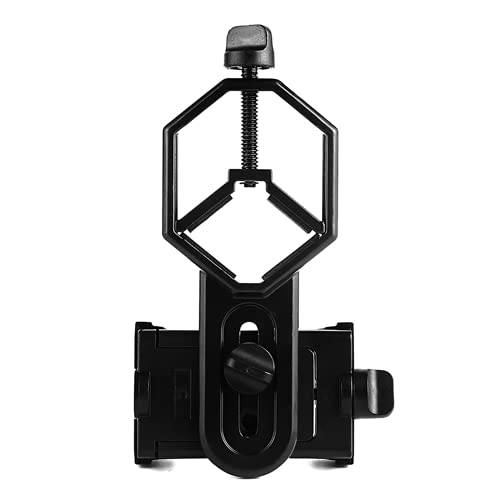
SVBONY Universal Cell Phone Adapter 25-48mm
Check price - Telescope eyepieces
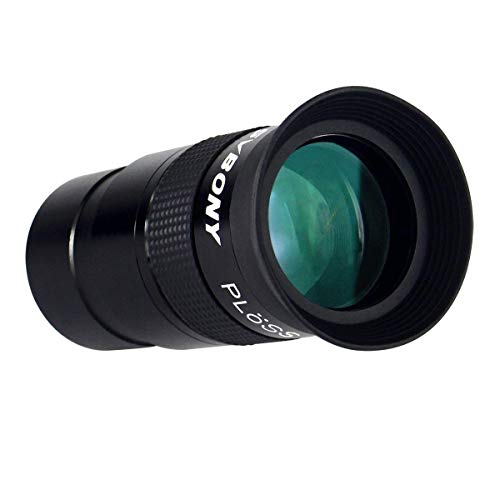
SVBONY 40mm Plossl Eyepiece 1.25"
Check price - Telescope eyepieces
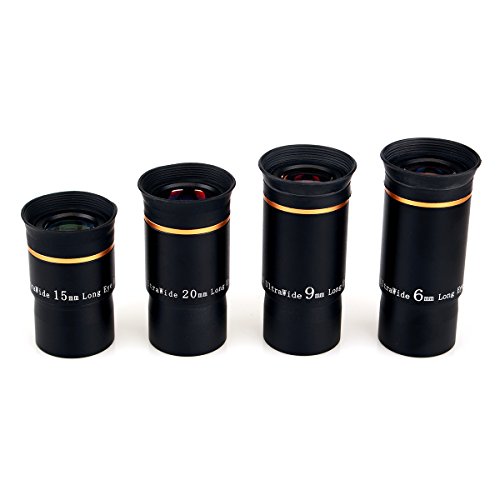
SVBONY Gold Line Eyepiece Set 6mm 9mm 15mm 20mm 1.25"
Check price - Telescope eyepieces
SVBONY Redline Eyepiece 9mm 68° 1.25"
Check price - Telescope eyepieces
SVBONY Eyepiece Adapter 1.25" M42x0.75
Check price - Telescope eyepieces
SVBONY Variable Polarizing Moon Filter 2"
Check price - Telescope eyepieces
SVBONY 34mm 72° Eyepiece 2"
Check price - Telescope eyepieces
SVBONY SV131 Plossl Eyepiece 32mm 1.25"
Check price - Telescope eyepieces
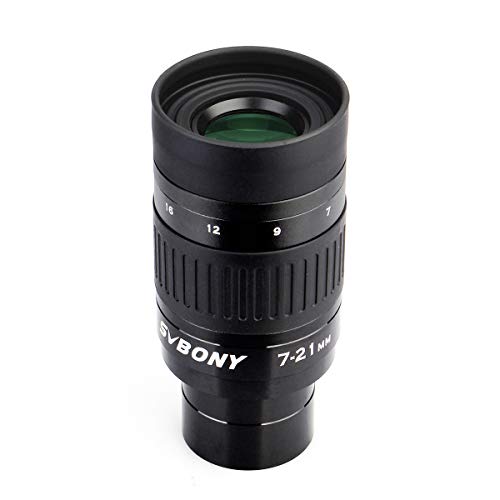
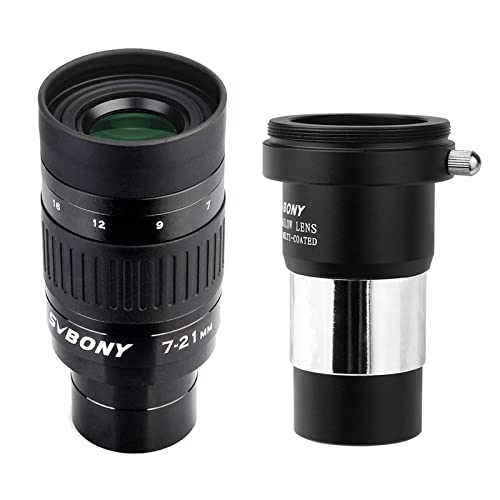
SVBONY SV135 Zoom Eyepiece 7-21mm 1.25"
Check price - Telescope eyepieces
SVBONY SV152 Reticle Eyepiece 20mm
Check price - Telescope eyepieces
SVBONY SV154 SWA 70° Eyepiece 13mm 1.25"
Check price - Telescope eyepieces
SVBONY SV191 Zoom Eyepiece 7.2-21.6mm 1.25"
Check price - Telescope eyepieces
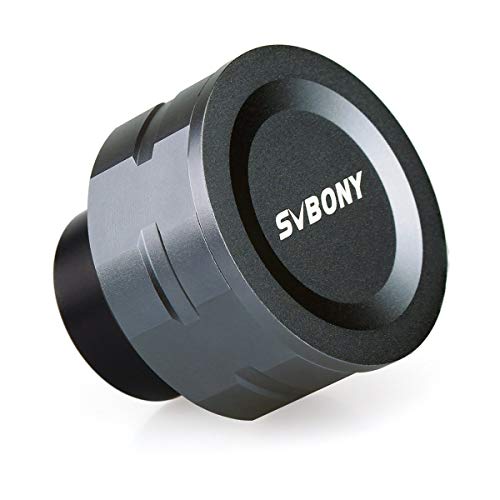
SVBONY SV905C Guide Camera 1.25"
Check price - Telescope eyepieces
SVBONY Finder Scope 5x24 Bundle with Phone Adapter and 40mm Plossl Eyepiece
Check price - Telescope eyepieces
SVBONY SV215 Zoom Eyepiece 3-8mm 1.25"
Check price - Telescope eyepieces
SVBONY Phone Adapter, Red Laser Collimator and SV135 Zoom Eyepiece Bundle
Check price - Telescope eyepieces
SVBONY SV221 90 Degree Diagonal 1.25"
Check price - Telescope eyepieces
SVBONY SV214 Pro 3-Axis Universal Smartphone Adapter
Check price - Telescope eyepieces
SVBONY 4mm Eyepiece Bundle with Phone Adapter
Check price - Telescope eyepieces
SVBONY 23mm Eyepiece Bundle with Phone Adapter
Check price - Telescope eyepieces
SVBONY Phone Adapter Bundle with 40mm Eyepiece and SV221 90 Degree Diagonal
Check price - Telescope eyepieces
SVBONY SV230 Zoom Eyepiece 8-20mm
Check price - Telescope eyepieces
SVBONY 25mm 40° Eyepiece Bundle with Phone Adapter and 5x24 Finder Scope
Check price - Telescope eyepieces
SVBONY SV233 Telescope Eyepiece Set 12 Piece
Check price - Telescope eyepieces
SVBONY SV245 Zoom Eyepiece 8-16mm
Check price - Telescope eyepieces
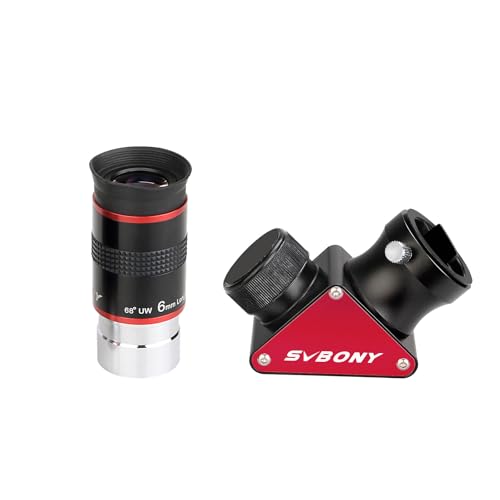
SVBONY 6mm 68° Eyepiece and 90 Degree Dielectric Mirror Diagonal 1.25"
Check price - Telescope eyepieces
SVBONY SV225 Alt-Azimuth Mount Bundle with SV225T Tripod and SV188P Diagonal
Check price - Telescope eyepieces
SVBONY SV214 Pro Smartphone Adapter Bundle with SV245 Zoom Eyepiece 8-16mm
Check price - Barlow lenses
SVBONY 5X FMC Barlow Lens 1.25"
Check price - Barlow lenses
SVBONY SV137 Barlow Lens 3X 1.25"
Check price - Barlow lenses
SVBONY SV137 Barlow Lens 2X 1.25"
Check price - Barlow lenses
SVBONY 2X Barlow Lens Bundle with 40mm Plossl Eyepiece 1.25"
Check price - Barlow lenses
SVBONY 2X Barlow Lens Bundle with Phone Adapter and 4mm 62° Eyepiece
Check price - Barlow lenses
SVBONY T2 T Ring Adapter (Canon EOS) Bundle with 2X Barlow Lens and Phone Adapter
Check price - Barlow lenses
SVBONY 5X Barlow Lens Bundle with Red Laser Collimator
Check price - Barlow lenses
SVBONY 5X Barlow Lens Bundle with 3X Barlow Lens 1.25"
Check price - Barlow lenses
SVBONY 2X Barlow Lens Bundle with 3X Barlow Lens 1.25"
Check price - Barlow lenses
SVBONY Eyepieces 4mm 10mm 23mm Bundle with 2X Barlow Lens and Phone Adapter
Check price - Barlow lenses
SVBONY 6mm 68° UWA Eyepiece Bundle with Phone Adapter and 2X Barlow Lens
Check price - Barlow lenses
SVBONY T2 T Ring and T Adapter (Canon EOS EF) Bundle with 2X Barlow Lens and Phone Mount
Check price - Barlow lenses
SVBONY SV137 3X Barlow Lens Bundle with 5X Barlow Lens and Phone Adapter
Check price - Barlow lenses
SVBONY SV216 2X Barlow Lens 1.25"
Check price - Barlow lenses
SVBONY 2X Barlow Lens Bundle with SV135 Zoom Eyepiece 7-21mm
Check price - Barlow lenses
SVBONY 3X Barlow Lens 1.25" Bundle with 40mm Plossl Eyepiece
Check price - Barlow lenses
SVBONY 3X Barlow Lens 1.25" Bundle with SV135 Zoom Eyepiece and 5X Barlow Lens
Check price - Barlow lenses
SVBONY Universal Cell Phone Adapter Bundle with 2X Barlow Lens
Check price - Barlow lenses
SVBONY SV137 2X Barlow Lens Bundle with 3X Barlow Lens
Check price - Barlow lenses
SVBONY SV137 2X Barlow Lens Bundle with Telescope Photo Adapter
Check price - Barlow lenses
SVBONY 5X Barlow Lens Bundle with SV131 32mm Plossl Eyepiece
Check price - Barlow lenses
SVBONY SV137 2X Barlow Lens Bundle with SV135 Zoom Eyepiece
Check price - Barlow lenses
SVBONY SV137 2X Barlow Lens Bundle with T2 T Ring and T Adapter (Canon EOS EF)
Check price - Barlow lenses
SVBONY SV137 2X Barlow Lens Bundle with 40mm Plossl Eyepiece
Check price - Barlow lenses
SVBONY SV137 3X Barlow Lens Bundle with SV135 Zoom Eyepiece
Check price - Barlow lenses
SVBONY 4mm 62° Aspheric Eyepiece with 2X Barlow Lens
Check price - Barlow lenses
SVBONY SV205 Astrophotography Camera with 2X Barlow Lens
Check price - Telescope filters
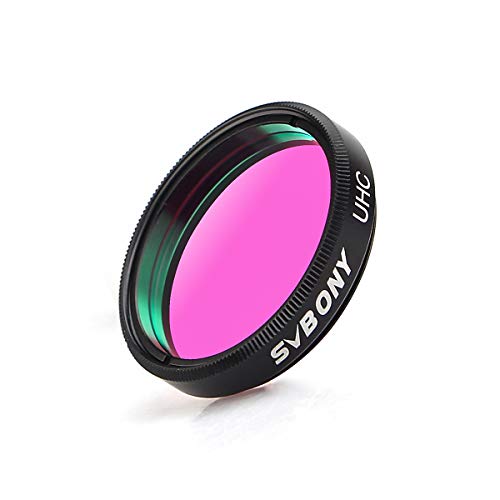
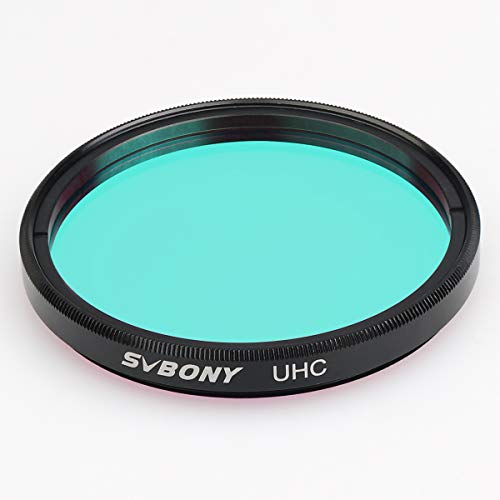
SVBONY 1.25" UHC Filter
Check price - Telescope filters
SVBONY Moon Filter 1.25"
Check price - Telescope filters
SVBONY UV IR Cut Filter 1.25"
Check price - Telescope filters
SVBONY Telescope Filters 1.25" Moon, CPL, Five Color Filter Kit (7PCS)
Check price - Telescope filters
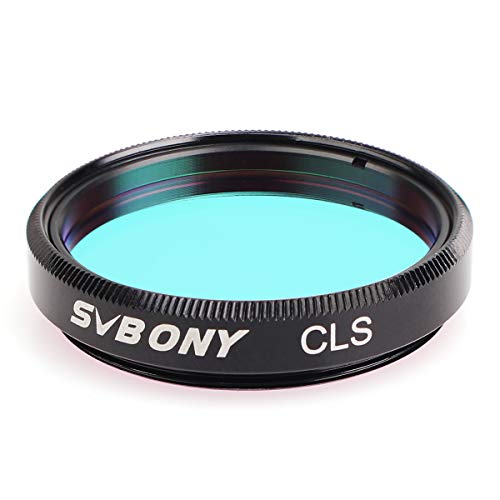
SVBONY CLS Broadband Filter 1.25"
Check price - Telescope filters
SVBONY CLS Broadband Filter 2"
Check price - Telescope filters
SVBONY Linear Polarizer Filter 1.25"
Check price - Telescope filters
SVBONY SV115 O-III Filter 1.25"
Check price - Telescope filters
SVBONY UHC Filter 2"
Check price - Telescope filters
SVBONY SV128 Variable Polarizing Moon Filter 2"
Check price - Telescope filters
SVBONY SV139 Moon Filter ND8 1.25"
Check price - Telescope filters
SVBONY SV139 Moon Filter 1.25" ND4 ND8 ND16 ND1000
Check price - Telescope filters
SVBONY SV183 IR Pass Filter 2" T685nm
Check price - Telescope filters
SVBONY SV220 Dual-Band Nebula Filter 2" 7nm H-Alpha & O-III
Check price - Telescope filters
SVBONY SV231 Color Correction Filter 1.25"
Check price - Telescope filters
SVBONY SV231 Color Correction Filter 2"
Check price - Telescope filters
SVBONY SV227 SHO Narrowband Filter Set 2" 5nm (3Pcs)
Check price - Telescope filters
SVBONY SV407 2.1x42mm Astronomy Binoculars with 2" UHC Filter
Check price - Telescope filters
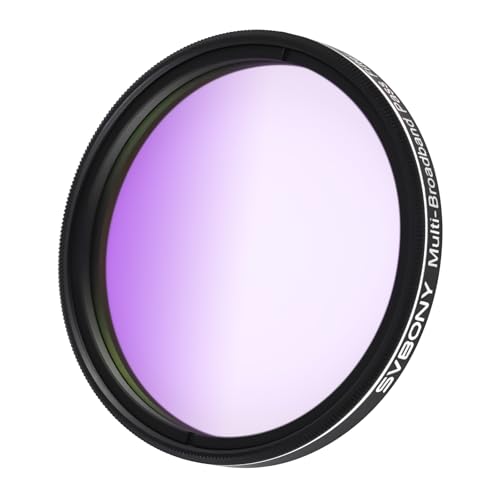
SVBONY SV260 Multi-bandpass Star Field Filter 2"
Check price - Telescope filters
SVBONY SV407 Binoculars Bundle with O-III Filter 2 Pack
Check price - Telescope filters
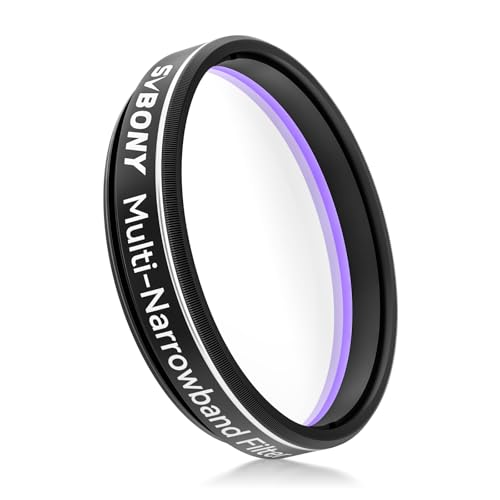
SVBONY SV240 Multi-Narrowband Filter 1.25" Ha OIII H-Beta
Check price - Telescope filters
SVBONY SV220 Dual-Band Nebula Filter 2" 7nm SII & OIII
Check price - Telescope filters
SVBONY Moon Filter 1.25" with 2X Barlow Lens
Check price - Telescope filters
SVBONY SV605CC Cooled Astrophotography Camera with 2" 7nm Dual-Band Filter
Check price - Telescope filters
SVBONY SV407 2.1x42mm Binoculars with Moon Filter Bundle
Check price - Astronomy cameras
SVBONY SV205 Telescope Camera 1.25" IMX415
Check price - Astronomy cameras
SVBONY SV105 Telescope Camera 1.25" IMX307
Check price - Astronomy cameras
SVBONY SV305C Pro Telescope Camera IMX662
Check price - Astronomy cameras
SVBONY SV305C Pro Camera IMX662 with SV165 Mini Guide Scope
Check price - Astronomy cameras
SVBONY SV405CC Cooled Astrophotography Camera IMX294
Check price - Astronomy cameras
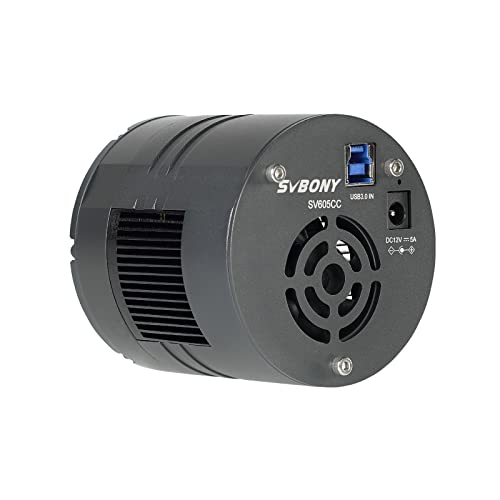
SVBONY SV605CC Cooled Color Astrophotography Camera IMX533
Check price - Astronomy cameras
SVBONY SV705C Telescope Camera IMX585
Check price - Astronomy cameras
SVBONY SV305C Astrophotography Camera IMX662 USB 2.0
Check price - Astronomy cameras
SVBONY SC715C Telescope Planetary Camera IMX715
Check price - Astronomy cameras
SVBONY SC715C Planetary Camera IMX715 with SV241 Power Adapter
Check price - Astronomy cameras
SVBONY UV IR Cut Filter 2" with SC715C Planetary Camera
Check price - Astronomy cameras
SVBONY SV705C Telescope Camera IMX585 with UV IR Filter
Check price - Astronomy cameras
SVBONY SC715C Planetary Camera Bundle with SV216 3X Barlow Lens
Check price - Astronomy cameras
SVBONY SV238 Off-Axis Guider with SV905C Guide Camera
Check price - Astronomy cameras
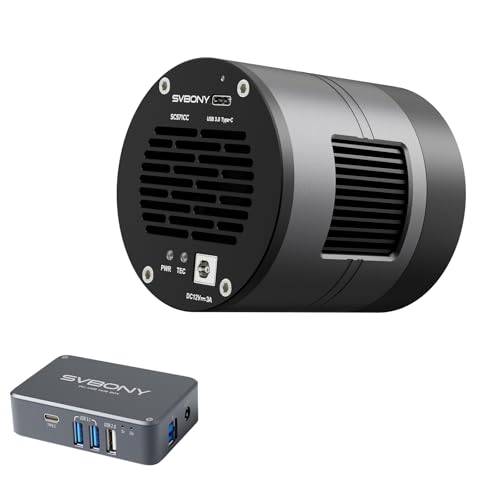
SVBONY SC571CC Cooled Color Astronomy Camera IMX571
Check price - Astronomy cameras
SVBONY SC571CC Telescope Camera with SV241 Power Hub Adapter
Check price - Finderscopes
SVBONY 5x24 Finder Scope with Cross Hair Reticle
Check price - Finderscopes
SVBONY Universal Dovetail Base
Check price - Finderscopes
SVBONY Red Dot Finder with Slide-in Bracket
Check price - Finderscopes
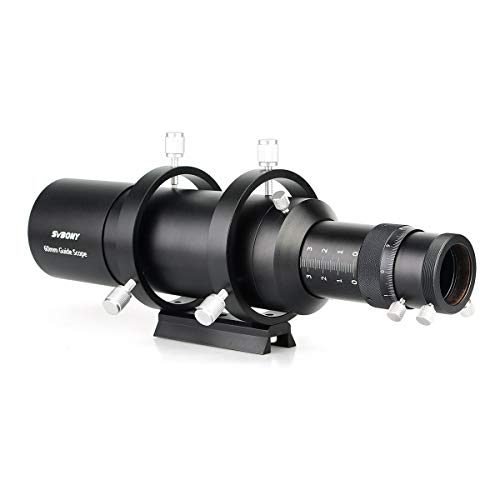
SVBONY SV106 Guide Scope Finder Scope 60mm
Check price - Finderscopes
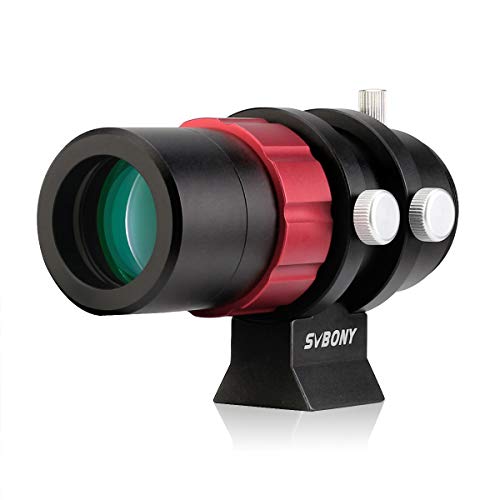
SVBONY SV165 Guide Scope 30mm F4
Check price - Finderscopes
SVBONY SV182 Right-Angle Finder Scope 6x30
Check price - Finderscopes
SVBONY SV208 Finder Scope 8x50
Check price - Finderscopes
SVBONY SV182 Right-Angle Finderscope 6x30 with Dovetail Base and Mount Bracket
Check price - Finderscopes
SVBONY SV211 Telescope Handle 203mm Finder Scope Mount
Check price - Finderscopes
SVBONY SV224 Dovetail Base Finder Scope Mount
Check price - Finderscopes
SVBONY Red Dot Finderscope Bundle with Dovetail Base
Check price - Finderscopes
SVBONY SV182 Finderscope 6x30 Bundle with SV131 Eyepiece 32mm and SV188P Diagonal
Check price - Finderscopes
SVBONY SV182 Finderscope 6x30 Bundle with SV188P Diagonal and SV135 Zoom Eyepiece
Check price - Finderscopes
SVBONY SV182 Finderscope 6x30 Bundle with Dovetail Base and Mount Bracket
Check price - Telescopes
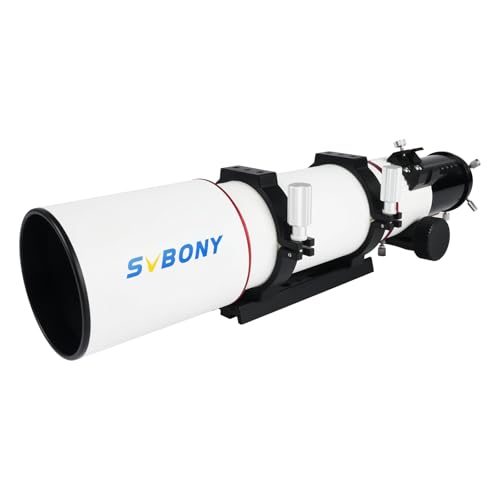
SVBONY SV503 80ED
- Optical design
- Refractor
- Lens type
- ED
- Aperture
- 80 mm
- Telescopes
SVBONY SV48P 90mm
- Optical design
- Refractor
- Lens type
- Achromatic
- Aperture
- 90 mm
- Telescopes
SVBONY SV550 80mm APO
- Optical design
- Refractor
- Lens type
- Apochromatic
- Aperture
- 80 mm
- Telescopes
SVBONY MK105
- Optical design
- Maksutov-cassegrain
- Aperture
- 105 mm
- Focal length
- 1,365 mm
- Telescopes
SVBONY SV48P 102mm kit
- Optical design
- Refractor
- Aperture
- 102 mm
- Telescopes
SVBONY SV520
- Optical design
- Refractor
- Aperture
- 90 mm
- Focal length
- 800 mm
- Telescopes
SVBONY SV503 80ED visual kit
- Optical design
- Refractor
- Lens type
- ED
- Telescopes
SVBONY SV48P Astronomy Observation Beginner Kit 102mm with SV225 Mount
Check price - Telescopes
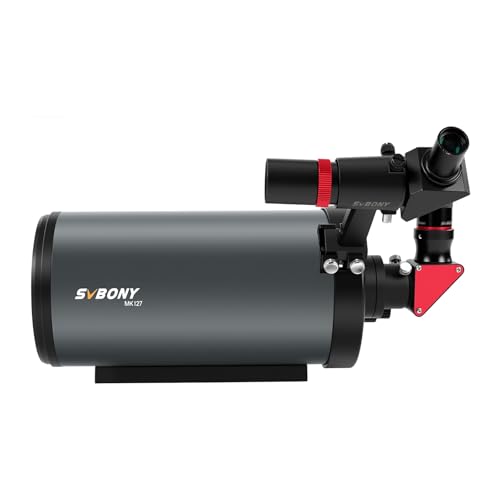
SVBONY MK127 Astronomy Observation Set
Check price - Telescopes
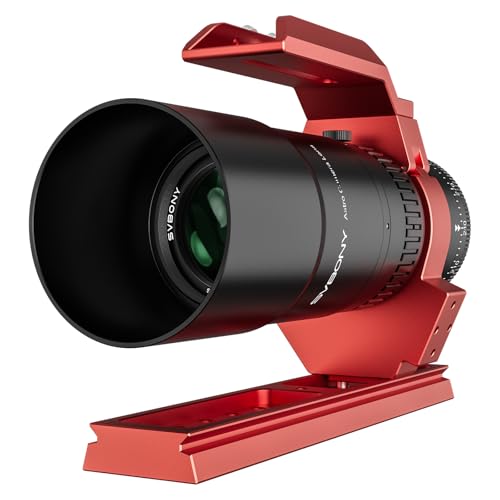
SVBONY SV545 Petzval APO
- Lens type
- Apochromatic
- Focal length
- 203 mm
- Telescopes
SVBONY SV545 Petzval APO with SV241 Pro
- Lens type
- Apochromatic
- Focal length
- 203 mm
- Telescopes
SVBONY MK127 with SV225 mount
- Optical design
- Maksutov-cassegrain
- Aperture
- 127 mm
- Telescopes
SVBONY SV530 80mm ED
- Optical design
- Refractor
- Lens type
- ED
- Aperture
- 80 mm
- Telescope phone adapters
SVBONY Universal Cell Phone Adapter Bundle with T2 T Ring Adapter and CA1 Sleeve
Check price - Telescope phone adapters
SVBONY SV214 Pro Telescope Phone Mount 3 Axis
Check price - Telescope phone adapters
SVBONY SV214 Pro Phone Adapter Bundle with 4mm Eyepiece
Check price - Telescope phone adapters
SVBONY SV214 Pro Phone Adapter Bundle with Eyepiece Kit 4mm 10mm 23mm
Check price - Telescope phone adapters
SVBONY SV214 Pro Phone Adapter Bundle with 40mm Eyepiece and Finder Scope 5x24
Check price - Telescope phone adapters
SVBONY SV214 Pro Phone Adapter Bundle with SV188P Dielectric Mirror Star Diagonal
Check price - Telescope mounts
SVBONY SV225
- Mount type
- Alt-az (manual)
- Payload
- 22 lb
- Telescope mounts
SVBONY SV225 with SV219 dovetail plate
- Mount type
- Alt-az (manual)
- Payload
- 22 lb
- Telescope mounts
SVBONY SV225 with SV225T tripod
- Mount type
- Alt-az (manual)
- Tripod included
- Yes
- Telescope mounts
SVBONY SV225 Mini with SV225T tripod
- Mount type
- Alt-az (manual)
- Payload
- 11 lb
- Tripod included
- Yes
- Astronomy binoculars
SVBONY SV407 2.1x42
- Field of view
- 26
- Magnification
- 2.1 x
- Objective
- 42 mm
- Telescope & astrophotography tripods
SVBONY SV225T Telescope Tripod
Check price

































What SVBONY makes
SVBONY's own site lists telescopes, spotting scopes, binoculars, microscopes and astronomy accessories, and says the brand has been in telescope technology for nine years. In our Amazon US data, its 136 live listings cover nine types:
- Eyepieces and eyepiece bundles
- Barlow lenses, often bundled with something else
- Telescope filters: Moon, color, polarizing, UHC, CLS, O-III, narrowband
- Finderscopes and guide scopes, dovetail bases and brackets
- Phone adapters
- Telescopes: refractors, Maksutovs, a Petzval APO
- Mounts: the SV225 family of alt-az mounts and the SV225T tripod
- Astronomy cameras: planetary and cooled color models
- Binoculars: the SV407 2.1x42
The shape of the list is the main fact about this brand. Most of it is the parts that go between a telescope and an eye or a camera. I had a parts tray for each type by the time I finished reading. The label maker got a workout.
SVBONY telescopes
SV503, SV530 and SV550: refractors with special glass
The SV503 80ED lists 80 mm, ED glass and f/7, as an optical tube only. The SV503 80ED visual kit adds an SV135 7-21 mm zoom eyepiece. The SV530 80mm ED lists 80 mm, 480 mm focal length and f/6. The SV550 80mm APO lists apochromatic glass at f/6.
ED and APO refractors use special glass to bring colors to focus closer together, which cuts the colored fringe around bright objects that simpler refractors can show. These suit someone who wants sharp views of the Moon and planets, or a small tube for wide-field photos. They need a mount, a diagonal and eyepieces or a camera. Our refractor telescopes page explains the glass types and focal ratio.
SV48P and SV520: achromatic refractors
The SV48P 90mm lists an achromatic 90 mm tube, 500 mm focal length and f/5.5, as an OTA. The SV48P 102mm kit lists 102 mm at f/6.5 with an SV135 zoom and a right-angle finder. The SV520 is a 90 mm refractor with an 800 mm focal length on a manual alt-az mount, with PL10 and K25 eyepieces, a Barlow and a smartphone adapter listed. That last one is the most complete starter package in the line.
MK105 and MK127: Maksutovs
The MK105 lists a 105 mm Maksutov-Cassegrain with a 1365 mm focal length at f/13 and a 210x maximum useful magnification, sold as an OTA. The MK127 with SV225 mount lists 127 mm at f/11.8 on a manual alt-az mount. A Maksutov folds a long focal length into a short tube. Long focal length means high magnification with ordinary eyepieces, which suits the Moon and planets. It also means a narrow field, so large star clusters won't fit in the view.
SV545 Petzval APO
The SV545 lists a 203 mm focal length at f/4.5 with apochromatic glass, alone or with an SV241 Pro power hub. A focal length that short and a ratio that fast are built for wide photos of the sky, not for magnifying planets.
SVBONY eyepieces and Barlows
Magnification is the telescope's focal length divided by the eyepiece's focal length. A Barlow lens multiplies it: a 2X Barlow doubles it. Celestron's eyepiece guide gives the highest useful magnification as about 60x per inch (25.4 mm) of aperture. On a 70 mm scope, that's about 165x.
SVBONY's eyepiece listings cover:
- Plossl: 32 mm and 40 mm, simple and forgiving
- Wide angle: 4 mm at 62°, 6 and 9 mm at 68°, 13 mm at 70°, 34 mm at 72° in a 2" barrel
- Gold Line set: 6, 9, 15 and 20 mm
- Zoom: SV135 7-21 mm, SV191 7.2-21.6 mm, SV215 3-8 mm, SV230 8-20 mm, SV245 8-16 mm
- Reticle: SV152 20 mm, with a crosshair for alignment and guiding
Barlows come in 2X, 3X and 5X, many bundled with an eyepiece, a phone adapter or a second Barlow.
Here's my one opinion on this page. Be careful with the 5X Barlow bundles on a small scope. Put a 4 mm eyepiece behind a 5X Barlow on a 700 mm tube and the arithmetic says 875x. A 70 mm aperture's ceiling is about 165x by Celestron's guide. The extra power makes the image bigger and dimmer, not more detailed. A 2X Barlow and a mid-length eyepiece usually land inside the range.
SVBONY filters
Filters screw into the bottom of an eyepiece or the front of a camera. The listings sort into a few jobs:
- Moon glare: Moon filters, ND filters (the SV139 set includes ND4, ND8, ND16 and ND1000), and variable polarizers that you twist to dim the view
- Planet color: a five-color filter kit and color correction filters
- Visual nebulae: UHC, CLS and O-III filters in 1.25" and 2"
- Camera nebulae: SV220 dual-band and SV227 SHO narrowband sets, an SV240 multi-narrowband filter
- Camera basics: UV IR cut and an IR pass filter
The ND1000 in the SV139 set name is a dark neutral density filter. Our data doesn't state that any SVBONY filter meets ISO 12312-2 or is made for viewing the Sun. Don't treat any of them as a solar filter. See the safety section below.
Finders, mounts and phone adapters
Finders run from a red dot finder and 5x24 straight finder to 6x30 right-angle and 8x50 finders. The SV106 60 mm and SV165 30 mm F4 are guide scopes, small scopes that carry a guide camera for photography. Dovetail bases and brackets fill out the list.
The SV225 is a manual alt-az mount; two listings give it a 22 lb payload, and the SV225 Mini with tripod lists 11 lb. The SV214 Pro is a 3-axis phone adapter; there's also a universal adapter for 25 to 48 mm eyepieces.
SVBONY astronomy cameras
The camera listings include the SV105 and SV205 small planetary cameras, the SV305C and SV705C with IMX662 and IMX585 sensors, the SC715C planetary camera, and cooled color cameras: the SV405CC, SV605CC and SC571CC. The SV905C is a guide camera. A planetary camera takes fast video for stacking. A cooled camera chills its sensor to cut noise in long deep-sky exposures.
Several camera listings are bundles too: the SV305C Pro with an SV165 mini guide scope, the SC715C with a power adapter, a UV IR cut filter or a 3X Barlow, the SV605CC with a dual-band filter, and an SV238 off-axis guider with the SV905C guide camera. An off-axis guider sends a sliver of the telescope's own light to the guide camera, so you don't need a separate guide scope.
The small planetary cameras suit someone with a tracking mount who wants the Moon and planets on a laptop screen. The cooled color cameras suit someone ready for long deep-sky sessions and stacking software. Skip both if you're still learning to find things in the sky; a phone adapter teaches the same framing lessons for far less setup.
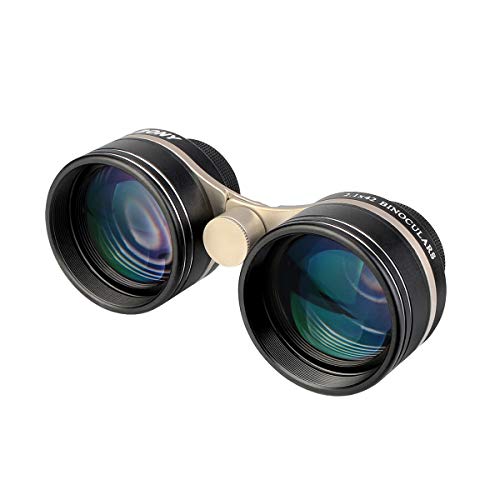
SV407: binoculars at 2.1x
The SV407 is listed as 2.1x42 with a 26-degree field. That's very low power and a very wide view, closer to your naked eye than to normal binoculars. It shows whole constellations at once with more stars than you'd see without it. Bundles in our data pair it with a 2" UHC filter, a Moon filter, or two O-III filters.
This suits someone who wants to wander the Milky Way from a lawn chair without aiming anything. Skip it if you want craters on the Moon up close; at 2.1x the Moon stays small. Our stargazing binoculars page covers higher-power models from other makers.
Reading an SVBONY bundle
In our data, 41 of SVBONY's 136 listings have "Bundle" in the name: one part plus one or two more. "2X Barlow Lens Bundle with 40mm Plossl Eyepiece." "SV214 Pro Phone Adapter Bundle with 4mm Eyepiece." "SV182 Finderscope 6x30 Bundle with Dovetail Base and Mount Bracket." That's useful when you need every part in the bundle. It's clutter when you already own one of them.
Before you add a bundle to the cart, do three things:
- Write down what you own. Barrel sizes, eyepiece focal lengths, any adapters.
- Read the bundle name word by word. Every item is in the title, usually in order.
- Check the barrel size of each piece. 1.25" and 2" don't mix without an adapter.
The SV-numbers help. SV137 is a Barlow, SV135 a zoom eyepiece, SV182 a 6x30 finder, SV214 Pro a phone adapter, SV225 a mount. Once you know a handful of them, the long titles read faster.
Who should skip SVBONY's parts list for now
Skip the accessories if you don't own a telescope yet. Eyepieces, filters and Barlows only make sense next to a specific focal length and barrel size. Start with a scope or a kit that lists its eyepieces, then come back.
Skip the cooled cameras if you don't have a tracking mount. A camera behind a telescope on a fixed mount sees stars drift out of frame in seconds.
How to pick within SVBONY
- No telescope yet: the SV520 kit lists a mount, two eyepieces, a Barlow and a phone adapter in one box.
- Have a scope, want more views: one zoom eyepiece covers several focal lengths.
- Bright Moon: a Moon filter or variable polarizer.
- City sky and nebulae: a UHC or CLS filter for looking; dual-band for a color camera.
- First photos: a phone adapter before a camera.
Lucho flipped through the bundles and asked why every listing has a second listing hiding inside it. "Because somebody always needs the Barlow too," I said. He said the shop sells gaskets the same way.
Sun safety
Never look at the Sun through a telescope, binoculars, a finder or a camera, or with your eyes, without a certified solar filter made for that purpose and fitted correctly. Eye damage can be instant and permanent.
The American Astronomical Society warns that filters which thread into an eyepiece are dangerous: sunlight concentrated by the optics can burn through them. A solar filter goes on the front of the telescope.
Read the barrel size before the part number. Then find the tray it belongs in.
Where SVBONY shows up
Questions about SVBONY
Is SVBONY a good brand?
We don't rank brands. What the data shows: 136 live SVBONY listings on Amazon US, the most of any telescope brand we track, covering refractors and a Maksutov, eyepieces, Barlows, filters, finders, phone adapters, alt-az mounts, binoculars and astronomy cameras. Many are bundles. Judge a single listing by its specs and what's in the box.
What is the SVBONY SV503?
A refractor line. Our data lists the SV503 80ED as an 80 mm refractor with ED glass at f/7, sold as an optical tube only, and a SV503 80ED visual kit with an SV135 7-21 mm zoom eyepiece. ED glass is low-dispersion glass meant to reduce color fringing. The tube needs a mount and diagonal to use.
Are SVBONY eyepieces good for beginners?
The listings cover the usual beginner range: Plossl eyepieces at 32 and 40 mm, wide-angle eyepieces from 4 to 34 mm, and several zoom eyepieces such as the SV135 7-21 mm and SV230 8-20 mm. Most are 1.25-inch barrel, the size most beginner scopes use. Check your focuser's barrel size first.
Which SVBONY filter should I buy?
It depends on the target. Moon filters and variable polarizers cut glare on the bright Moon. UHC, CLS and O-III filters are for nebulae and light-polluted skies. Dual-band and narrowband filters such as the SV220 and SV227 are for cameras. Match the barrel size, 1.25-inch or 2-inch, to your focuser or camera.
Where is SVBONY from?
We couldn't confirm a headquarters city from SVBONY's own site. Its home page says the brand has been in telescope technology for nine years and is sold in more than 100 markets, and lists telescopes, spotting scopes, binoculars, microscopes and astronomy accessories.
Do SVBONY phone adapters fit any telescope?
They clamp to the eyepiece, not the telescope, so the eyepiece size matters. Our data lists a universal adapter for eyepieces from 25 to 48 mm across, and the SV214 Pro listed as a 3-axis adapter with an extra adjustment for lining up the phone camera. Measure the outside of your eyepiece before you order.
Sources
- SVBONY: home page — accessed 2026-10-23
- Celestron: How to Determine Which Eyepieces to Use with Your Telescope — accessed 2026-10-23
- American Astronomical Society: Solar Filters for Optics — accessed 2026-10-23